
There are a thousand go-bag lists on the internet. Most of them were written by someone who has never been under a mandatory evacuation order with smoke visible from their backyard and a two-year-old in the back seat.
This isn’t that kind of list.
California evacuations have specific characteristics that change what you need and how you need to carry it. Wildfires move fast — the Camp Fire in 2018 gave many Paradise residents less than 20 minutes. PG&E PSPS events can strand you without warning. The I-5, the 101, the 99 — they turn into parking lots the moment an evacuation order drops. Your go-bag has to account for all of this.
Start With the Scenario, Not the List
Before you buy anything, answer these questions:
- How many people are you responsible for? (Include pets.)
- What’s your most likely evacuation trigger? Wildfire? Flood? Earthquake damage?
- Where are you going? Do you have a destination, or are you hoping a shelter has room?
- How are you getting there? One vehicle? What if it’s blocked?
- Do you have medications or medical equipment that require power or refrigeration?
The California-Specific Additions Most Lists Miss
N95 Masks (Plural)
Generic lists say “dust mask.” In a California wildfire evacuation, you’re driving through smoke. N95s rated for particulate matter are the minimum. Pack at least four per person.
Paper Copies of Insurance Documents
After the Thomas Fire, the Woolsey Fire, the Camp Fire — thousands of California homeowners discovered their insurance documentation was either inside a burned house or locked behind a password on a device they couldn’t access. Print your homeowner’s or renter’s policy declarations page, your vehicle insurance card, and a photo inventory of your most valuable possessions. Waterproof bag. Go-bag.
Cash, Small Bills
Card readers go down in disasters. ATMs run out. Gas stations in evacuation corridors have been known to go cash-only during power outages. $200–$300 in small bills (nothing larger than $20) is not paranoia, it’s logistics.
A Physical Map
GPS works until it doesn’t. Cell networks saturate during mass evacuations. A printed county map costs $10. Know at least two alternate routes out of your immediate area before you need them.
The Core Kit
Water: 1 liter per person per day minimum (3 liters is better), filtration option (Sawyer Squeeze or similar), electrolyte packets.
Food: 72 hours of calorie-dense food requiring no cooking. Energy bars, jerky, nuts, dried fruit, peanut butter. One manual can opener.
First Aid: Comprehensive kit, 7-day supply of prescription medications, copies of prescriptions.
Light and Power: Headlamp with fresh batteries, phone charging cable, USB battery bank (20,000 mAh).
Shelter: Emergency mylar blankets, season-appropriate clothing change, rain layer, sturdy shoes.
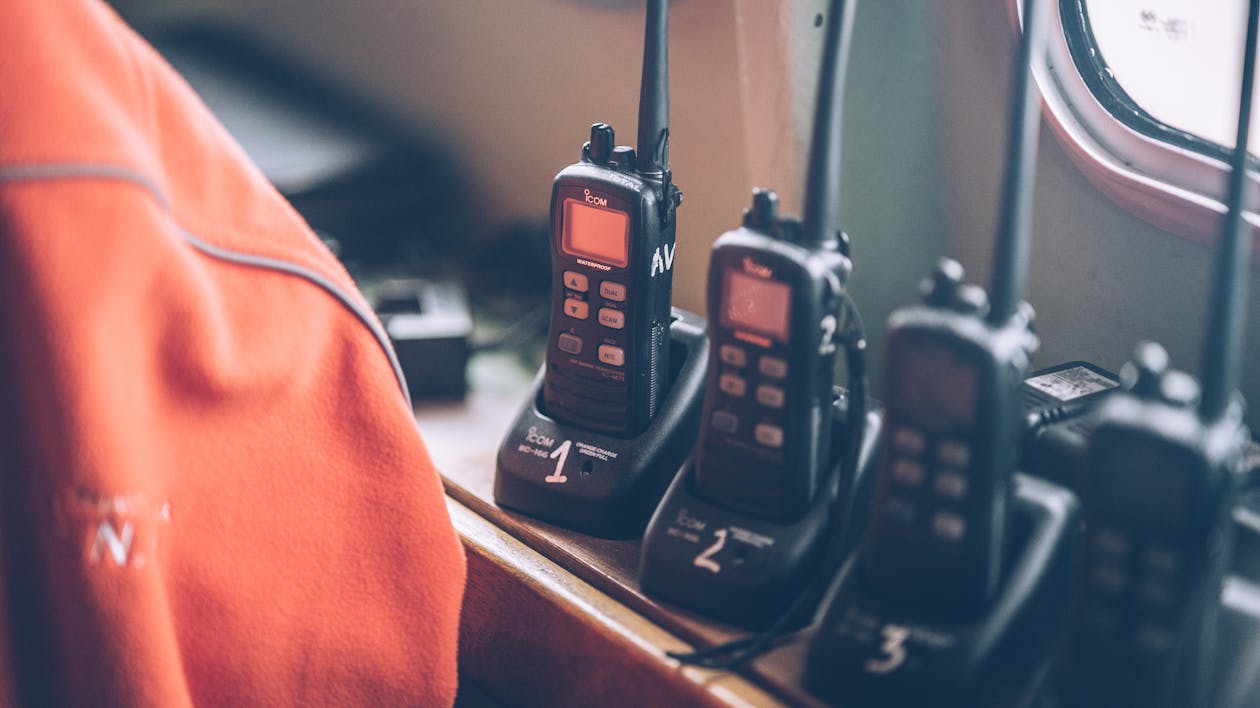
Communication: Battery-powered NOAA weather radio, written contact list, ham HT if licensed.
The Weight Problem
A go-bag that weighs 50 pounds is a go-bag you will leave behind. Aim for 20–25 pounds for a healthy adult. Two lighter bags beat one bag that can’t be carried.
Maintenance
- Every 6 months: check food and medication expiration dates, rotate stock
- Every 6 months: check battery charge on all devices
- Every season change: swap out clothing
- After any use: restock immediately
The worst possible time to discover your go-bag has three-year-old expired granola bars and a dead headlamp is when you’re standing in your driveway with an evacuation order coming through.
Build the bag. Make the plan. Then practice.